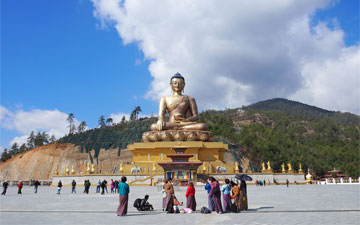
Bhutan — the Last Shangri-La — is a land of pristine mountain landscapes, ancient dzong fortresses, vibrant Buddhist culture, and some of the world's most rewarding trekking routes. Choosing the right time to visit Bhutan can make all the difference between a smooth, memorable journey and one hampered by monsoon disruptions or festival crowds. This month-by-month guide covers everything you need to plan your perfect Bhutan journey.
Bhutan's four seasons at a glance
Bhutan experiences four distinct travel seasons. The two peak windows are spring (March–May) and autumn (September–November), offering the clearest Himalayan views and the most stable weather for trekking, dzong visits, and festival experiences. Summer (June–August) brings the monsoon, while winter (December–February) is cold but wonderfully peaceful for cultural exploration.
For most travelers — whether you're trekking to Tiger's Nest, visiting Thimphu's dzongs, or exploring Punakha's river valleys — autumn is widely considered Bhutan's finest season.
💡 Quick Tip
Book your Thimphu and Paro hotels at least 4–6 weeks ahead during the Paro Tsechu festival (March–April) and Thimphu Drupchen (September–October). Accommodation fills up quickly during these famous festivals.March – May: Spring — rhododendrons & clear skies
Spring is Bhutan's most popular travel window. Temperatures are warming, rhododendrons blanket the hillsides in vivid red and pink, and the Himalayas are crystal clear in the crisp pre-monsoon air. The famous Paro Tsechu festival — Bhutan's most colorful masked dance festival — falls in spring, making March–April particularly special.
- Weather: Warm days (15°C–25°C in Thimphu), cooler at altitude
- Pros: Spectacular rhododendron blooms, Paro Tsechu festival, excellent mountain views
- Cons: Festival periods are very busy; book well ahead
June – August: Monsoon — lush but wet
The monsoon transforms Bhutan into shades of deep, vibrant green. Rice paddies come alive, waterfalls multiply, and the countryside glows emerald. However, trails become slippery, leeches are common at lower altitudes, and mountain views are often obscured by clouds. Tiger's Nest Trek is still possible but wet — good waterproof gear is essential.
If you visit during monsoon, consider the eastern districts of Bumthang or Trongsa — they receive less rainfall and offer authentic off-the-beaten-path Bhutanese culture.
September – November: Autumn — the golden season
This is Bhutan's absolute peak travel period and for very good reason. The monsoon clears in late September, leaving behind impossibly clear skies, freshly washed mountain views, and cool comfortable temperatures perfect for trekking and sightseeing. The Thimphu Drupchen and Tshechu festivals (September–October) also bring Bhutan alive with color, masked dances, and celebration.
- Weather: Crisp and clear (10°C–22°C at Thimphu level)
- Pros: Best mountain visibility of the year, vibrant festivals, comfortable trekking weather
- Cons: Most popular season; book accommodation and permits well in advance
December – February: Winter — peaceful and cultural
Winter is the quietest season in Bhutan. Snow closes high-altitude trekking routes, but Thimphu, Paro, and Punakha remain accessible and far less crowded. It's an ideal time for cultural tours, dzong visits, and peaceful valley exploration. Clear skies on good days offer spectacular Himalayan views.
- Weather: Cool to cold (4°C–15°C in Thimphu, colder in the mountains)
- Pros: No crowds, cheaper rates, clear mountain views on fine days
- Cons: High passes and high-altitude treks above 4,000m are not advisable
🎯 Our Recommendation
For first-time visitors, we recommend October or early November — you'll get the clearest Himalayan views, comfortable temperatures, and the excitement of Bhutan's Thimphu Tshechu festival. Our Bhutan Triangle packages are most popular during this window.Final thoughts
Bhutan rewards every kind of traveler — trekkers, culture lovers, festival enthusiasts, and spiritual seekers — in every season. The right time to visit really depends on what you want from your trip. Talk to our Bhutan travel experts to build the perfect itinerary around your travel dates.